
Collision Damage Classification (CDC, per SAE MAR80 J224) is an excellent tool to provide a clear and concise description to the principal direction of force (PDoF) onto a motor vehicle during a vehicular accident investigation and reconstruction.
The standard was developed by the federal United States government to simplify the description of damage, where the direction of PDoF at point of impact (POI), vehicle deformation location, general type of collision, and damage scale are entailed and coded by numbers and letters.
Objective: To investigate the consistency of an alleged incident involving an Audi and a Volkswagen.
Two (2) of the impacts onto the Audi was explained via the integration of the CDC coding into the outlines of the motor vehicle as shown in Figure 1 and Figure 2 below. Detailed description of the damage profile along with the photographs of the Audi was tabulated in Table 1.
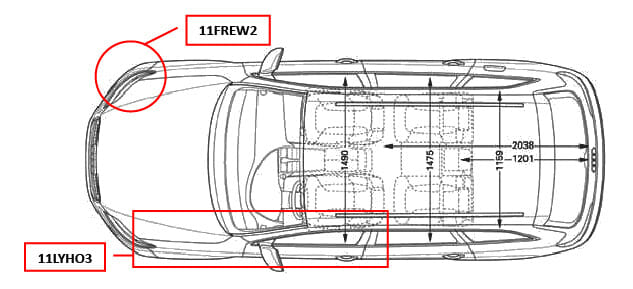
Figure 1: Top View of an Audi
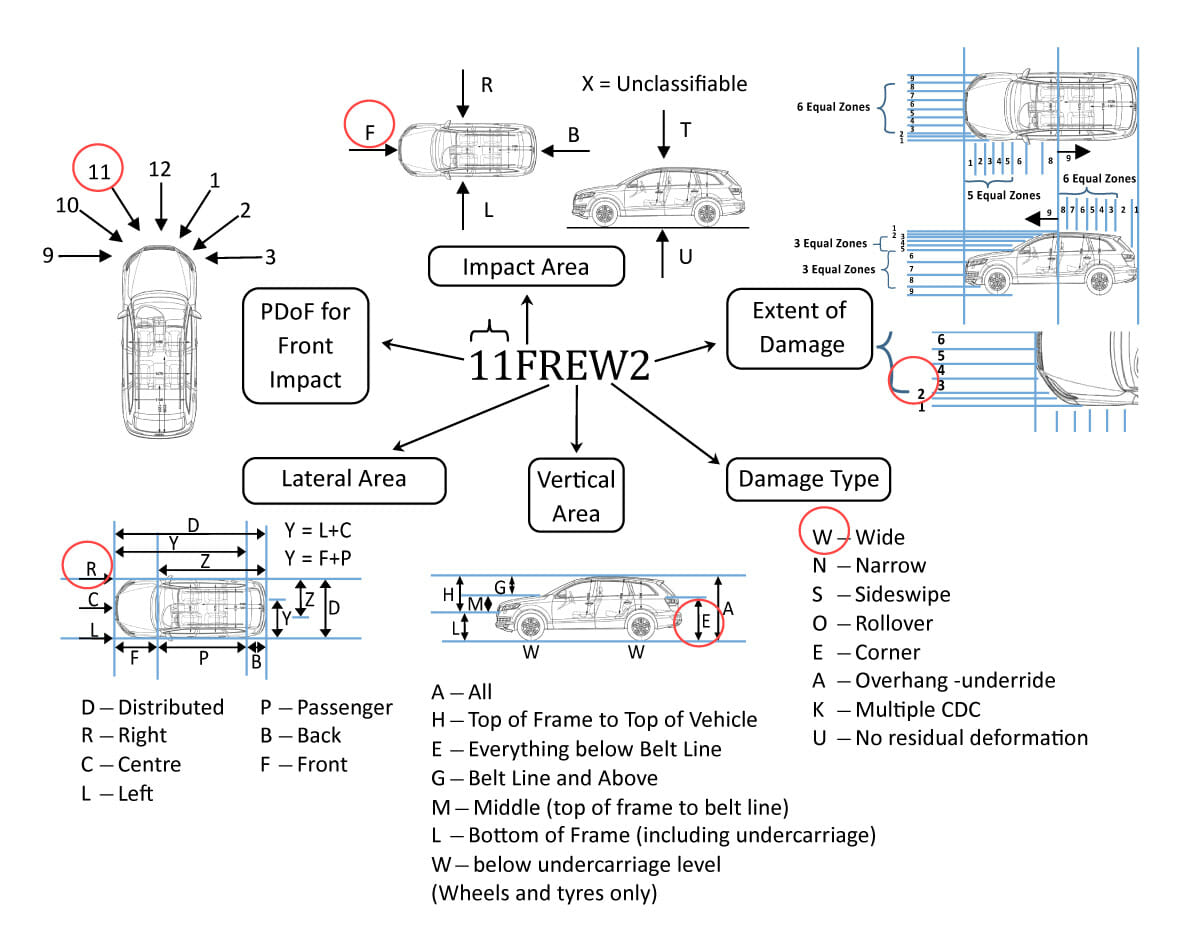
Figure 2: Designation of CDC Codes.
Offside Frontal Impact, 11FREW2
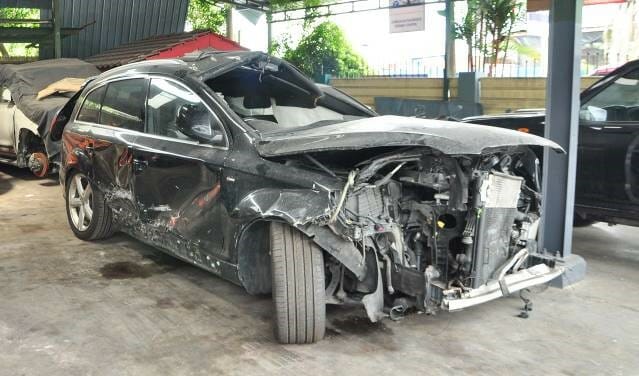
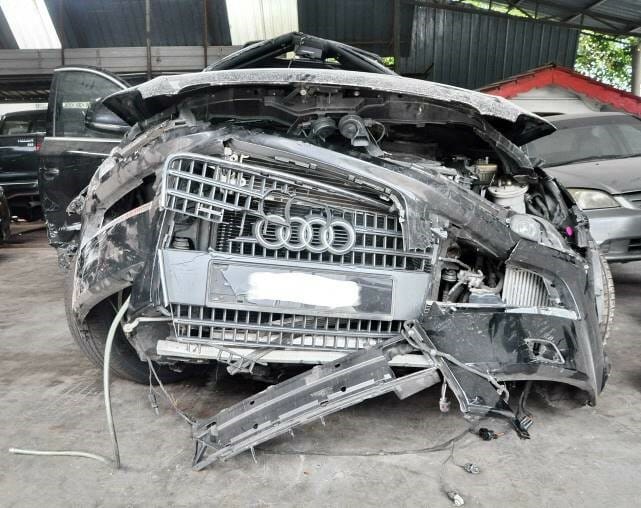
Damage areas: around front bumper, front offside chassis member, offside fender.
This indicates that a 30° angular impact towards the offside frontal section of the Audi.
Nearside Impact, 11LYHO3
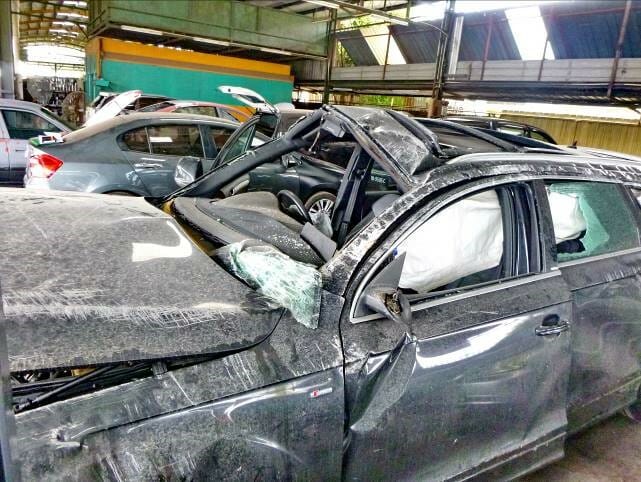
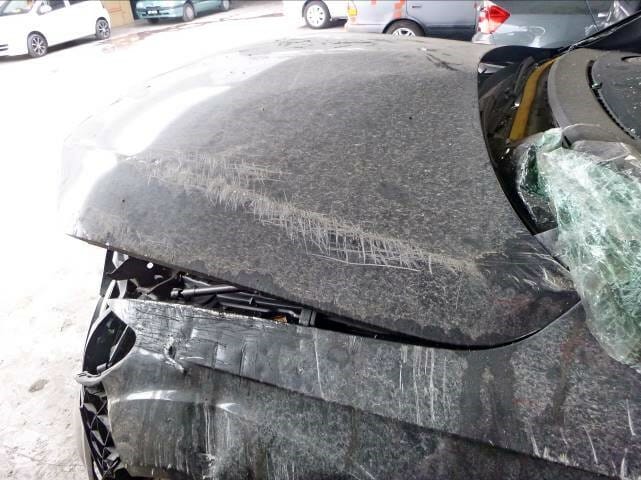
Damage areas: roof panel, windscreen, nearside A-pillar, engine hood, nearside fender, nearside passenger door
This implies that a rollover had occurred. There was an angular impact towards the offside frontal section of the Audi and a rollover had occurred impacting the nearside. The application of CDC aid in explaining the PDoF of the Audi. Based on the damage profile, witnesses accounts, simulation and Electronic Control Unit (ECU) diagnosis, the AFSB Team found that the damage of the Audi is inconsistent with the described circumstances. In a nutshell, application of CDC complements the lack of a systematic classification in traditional damage analysis within an accident reconstruction investigation.
Written by, Chew Wan Chyn