ASEAN & Middle East Forensic Coverage

CIVIL FAILURE INVESTIGATION
Civil Failure Investigation Across ASEAN & Middle East

Independent forensic engineering investigations trusted by insurers, legal teams, and corporate risk leaders across multiple jurisdictions.
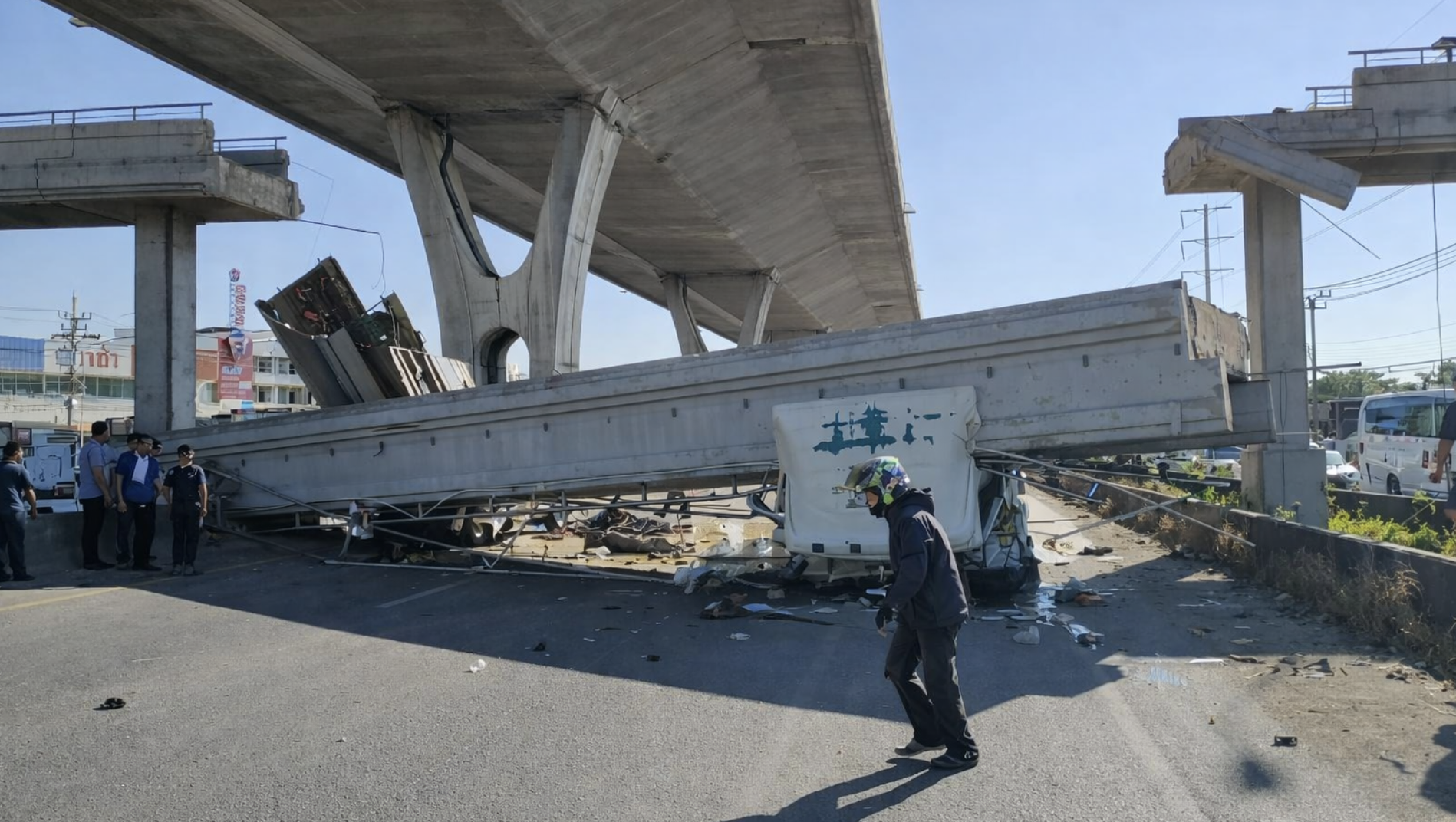
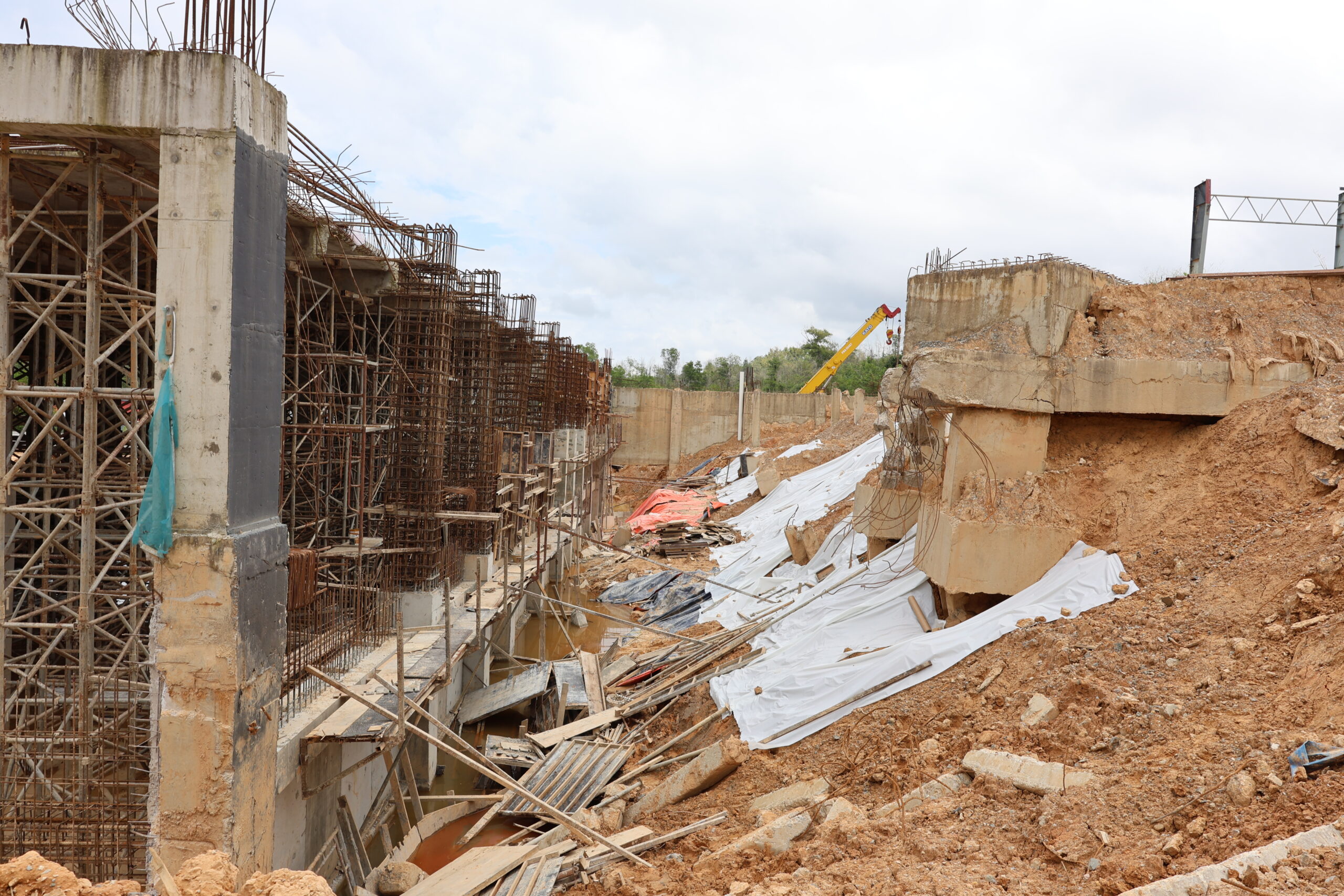
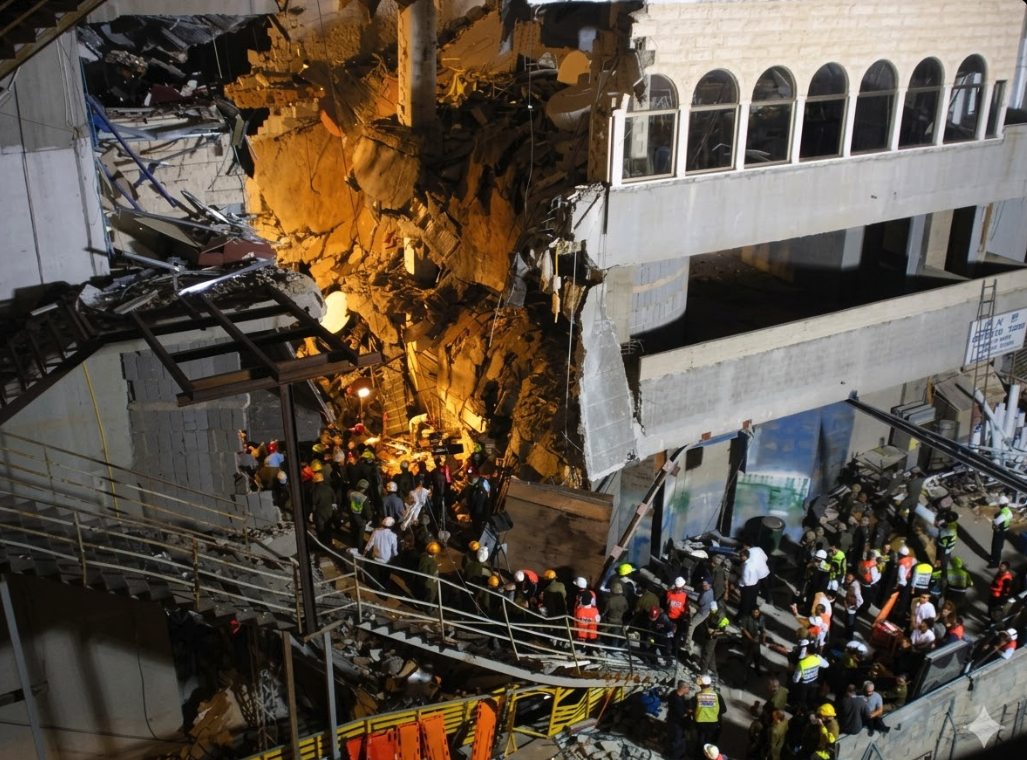
With multidisciplinary forensic engineers and investigators deployed across Asia and the Middle East, Approved Group International (AGI) conducts high-stakes civil failure investigations involving structural collapse, infrastructure damage, construction defects, and engineering failures affecting commercial assets and public infrastructure.
Our investigations focus on establishing defensible root cause findings, enabling insurers, legal teams, and corporate stakeholders to make informed decisions regarding liability, recovery, and remediation.
Delayed investigations can result in irreversible evidence loss, disputed insurance claims, and increased litigation exposure. Structural debris removal, environmental degradation, and uncontrolled repairs can rapidly compromise critical forensic indicators.
AGI provides rapid-response forensic engineering services across Malaysia, Singapore, Indonesia, Philippines, Thailand, India, UAE, Saudi Arabia, Qatar, and Oman, ensuring evidence preservation and technically sound analysis from the earliest stage of an incident.

Why Immediate Action Matters

Civil engineering failures often occur under conditions where critical physical evidence deteriorates rapidly.
When structural collapse, foundation failure, infrastructure damage, or construction defects occur, early forensic intervention is essential for determining causation and preserving admissible evidence.

Evidence Degradation

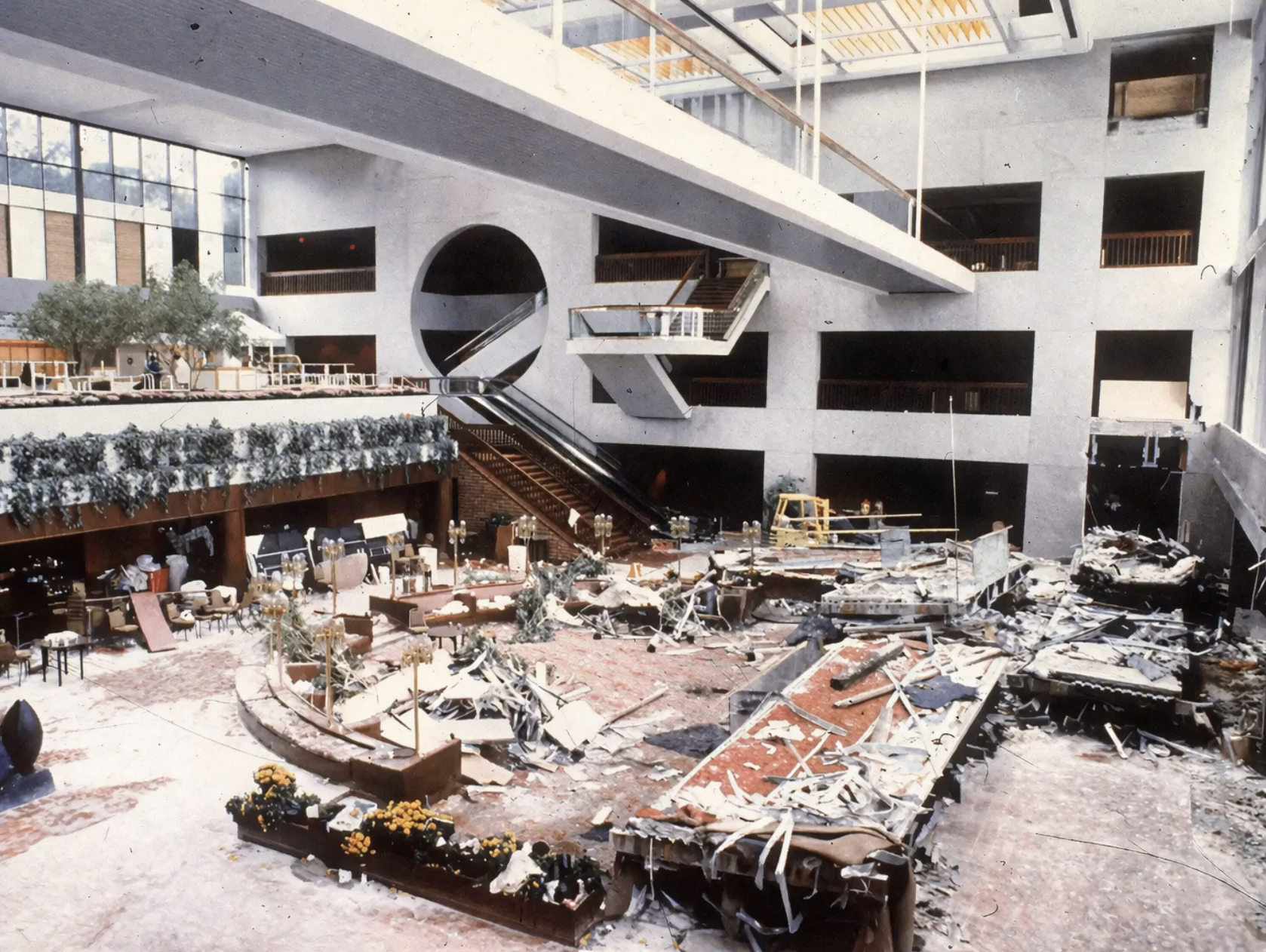
Structural debris, fractured materials, soil conditions, and reinforcement patterns provide crucial forensic indicators.
If not documented immediately:
  • Debris removal may eliminate failure sequencing evidence
  • Environmental exposure can alter material properties
  • Repairs may obscure the original failure mechanism

Insurance Coverage Disputes

Civil failures frequently trigger multi-party insurance disputes involving:
  • Contractors
  • Developers
  • Engineering consultants
  • Equipment suppliers
  • Property owners
Without a technically robust forensic investigation, claim assessments may become contested.

Regulatory and Compliance Exposure

Infrastructure failures and building collapses often involve regulatory oversight from engineering authorities and safety regulators. Proper investigation ensures:
  • compliance with local regulatory requirements
  • defensible technical documentation
  • accurate determination of engineering responsibility

Litigation Risk

Civil engineering failures commonly escalate into complex multi-party litigation. Courts require:
  • structured forensic methodology
  • documented evidence chains
  • expert engineering testimony

Escalating Financial Exposure

Failure to identify the true root cause can result in:
  • prolonged infrastructure downtime
  • costly reconstruction errors
  • unresolved liability disputes
  • reputational damage
Immediate forensic intervention significantly reduces these risks.

When You Require Civil Failure Investigation

Civil failure investigations are typically initiated by decision-makers responsible for managing risk, liability, and infrastructure safety.

Insurance Adjusters and Loss Assessors

When structural damage or infrastructure collapse triggers major claims, insurers require independent forensic engineering analysis to determine:
  • proximate cause of failure
  • policy coverage applicability
  • subrogation opportunities

Legal Counsel

Law firms handling construction disputes, infrastructure failures, or engineering negligence cases rely on forensic experts capable of producing court-admissible engineering reports.

Corporate Risk Managers

Industrial facilities, property developers, and infrastructure operators engage forensic investigators to understand structural or construction failures affecting operational assets.

Claims Directors

Major loss incidents involving buildings, bridges, industrial structures, or civil infrastructure require technically credible root cause determination.

Engineering Directors

Organizations responsible for engineering design or construction oversight require objective analysis when failures occur within complex projects.

Compliance Officers

Regulatory and safety compliance investigations require independent technical verification of structural integrity and engineering responsibility.

Technical Authority Layer — Deep Capability Proof

Civil failure investigations require specialized forensic engineering methodologies capable of reconstructing failure events through scientific and structural analysis.
AGI applies a multi-disciplinary investigative framework combining structural engineering, materials science, geotechnical analysis, and forensic modelling.

Structural Failure Analysis

Our forensic engineers examine structural systems including:
  • reinforced concrete structures
  • steel structural frameworks
  • composite structures
  • bridges and infrastructure systems
  • foundations and retaining systems
Investigations evaluate:
  • structural load distribution
  • reinforcement integrity
  • connection failures
  • progressive collapse sequences

Geotechnical Investigation

Foundation failures often involve soil mechanics and ground instability.
AGI performs:
  • soil sampling and testing
  • foundation settlement analysis
  • slope stability evaluation
  • groundwater influence assessment

Materials Engineering Analysis

Structural materials are analysed to determine failure mechanisms such as:
  • concrete strength deficiency
  • steel fatigue or brittle fracture
  • corrosion deterioration
  • improper material specification
Laboratory analysis may include:
  • metallurgical testing
  • concrete core testing
  • fracture surface analysis
  • chemical composition evaluation

Failure Reconstruction & Analytical Modelling

Engineering models are developed to simulate failure scenarios.
Techniques include:
  • structural load modelling
  • finite element analysis (FEA)
  • collapse sequence reconstruction
  • stress distribution analysis

Standards and Engineering References

Investigations reference recognized engineering standards where applicable:
  • ISO structural investigation standards
  • ASTM materials testing standards
  • British Standards (BS) for structural integrity
  • American Concrete Institute (ACI) guidelines
  • Eurocodes for structural engineering

Court-Compliant Reporting

AGI produces expert engineering reports suitable for litigation, including:
  • documented evidence chains
  • engineering calculations
  • analytical models
  • photographic documentation
  • defensible root cause conclusions

Cross-Border Investigation Capability

Civil failures often involve multinational stakeholders.
AGI provides investigations across ASEAN and Middle East jurisdictions, coordinating with insurers, regulators, and legal teams across multiple countries.

Quantifiable Trust Amplifiers

AGI's forensic investigations are supported by multidisciplinary expertise and regional deployment capability.
Typical authority indicators include:
  • Decades of combined forensic engineering experience
  • Hundreds of complex technical investigations conducted
  • Rapid-response deployment across multiple jurisdictions
  • Investigations supporting insurance claims and litigation cases
  • Multidisciplinary experts including structural engineers, materials scientists, and forensic investigators
  • Experience working with international insurers and legal firms
  • Technical reporting structured for court and arbitration proceedings
This experience enables AGI to operate effectively in high-stakes failure investigations involving significant financial exposure.

Industries & High-Risk Sectors

Civil engineering failures can occur across multiple sectors where structural integrity and engineering performance are critical.

Oil & Gas Infrastructure

Civil failures in oil and gas environments may involve:
  • structural platforms
  • industrial foundations
  • containment structures
  • pipeline support systems

Industrial Manufacturing Facilities

Heavy industrial operations require robust structural systems supporting:
  • production equipment
  • storage infrastructure
  • high-load operational structures

Infrastructure Projects

Public infrastructure failures may involve:
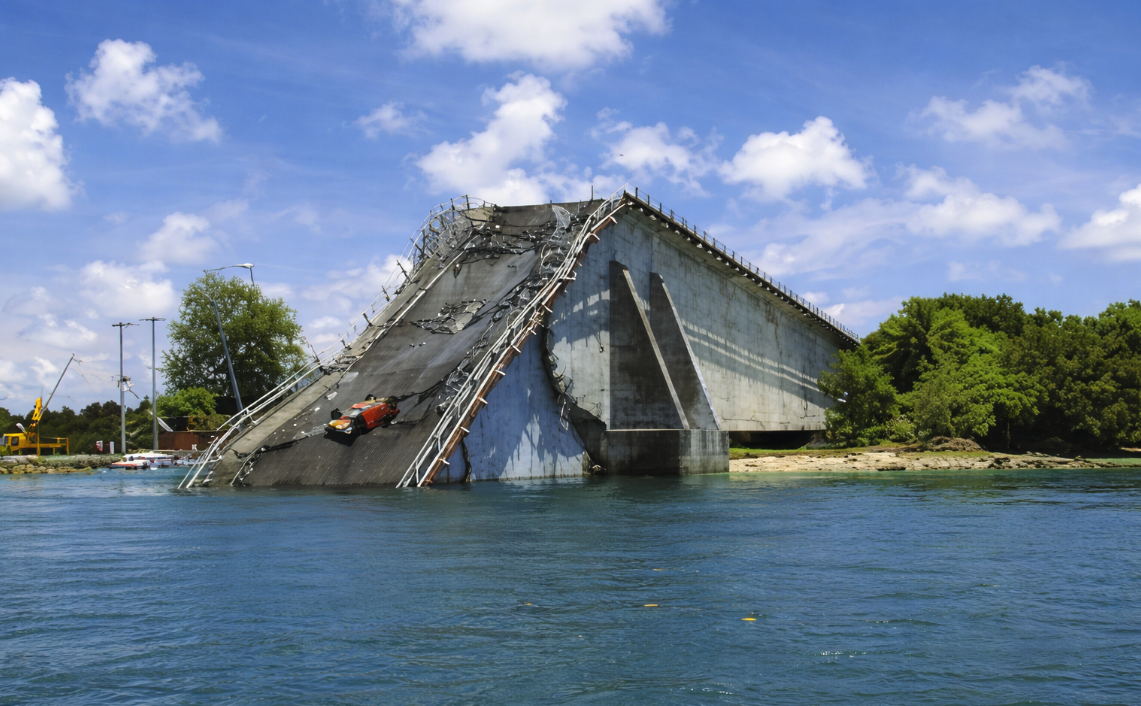
  • bridges and viaducts
  • transportation structures
  • tunnels and retaining walls
  • municipal engineering works

Marine & Port Infrastructure

Marine engineering failures can affect:
  • port facilities
  • dock structures
  • offshore support infrastructure

Power Generation Facilities

Civil failures affecting power plants may involve:
  • turbine foundations
  • cooling structures
  • containment buildings

Property & Construction Developments

Structural failures in property developments often involve:
  • building collapses
  • foundation failures
  • construction defects
  • design or supervision errors

Heavy Machinery Installations

Industrial equipment installations rely on structurally sound foundations capable of supporting dynamic loads.

Regional Expertise — Geo SEO Layer

Civil engineering failures occur within different regulatory environments and engineering frameworks.
AGI operates across multiple regions, providing investigations aligned with local regulatory contexts.
Malaysia - Investigations frequently involve building failures, infrastructure damage, and construction disputes governed by Malaysian engineering standards and regulatory frameworks.
Singapore - Highly regulated construction environments require technically rigorous forensic investigations aligned with Singapore's strict building and safety regulations.
Indonesia - Infrastructure expansion projects create exposure to structural failures requiring engineering expertise and regional deployment capability.
Philippines - Civil infrastructure failures often involve complex environmental conditions including typhoons and seismic activity.
Thailand - Industrial and infrastructure developments require independent forensic investigations when structural failures occur.
India - Large-scale infrastructure and construction projects create significant demand for technical failure analysis.
United Arab Emirates - Major commercial and infrastructure developments require forensic engineering expertise capable of supporting arbitration and international dispute resolution.
Saudi Arabia - Engineering failures affecting energy infrastructure and construction projects often require technically complex investigations.
Qatar - Rapid urban development and infrastructure projects create demand for structural failure investigation expertise.
Oman - Civil engineering investigations in Oman often involve industrial facilities and infrastructure systems.

Differentiation vs Global Firms

Large global forensic consulting firms often operate with high overhead structures and centralized deployment models.
AGI differentiates itself through a regionally optimized investigation model designed for rapid response and technical rigor.
Key differentiators include:
Regional agility – Investigators deployed quickly across ASEAN and Middle East locations.
Faster response times – Early evidence preservation reduces investigative uncertainty.
Cost efficiency – Lean regional structure enables competitive engagement costs compared to global consultancies.
Technical rigor – Investigations supported by multidisciplinary forensic engineering expertise.
Litigation readiness – Reports structured to withstand legal scrutiny and expert testimony requirements.
Regulatory familiarity – Understanding of engineering regulations across regional jurisdictions.

Structured Engagement Framework

Civil failure investigations follow a structured forensic methodology to ensure technical accuracy and defensibility.

Step 1 – Incident Notification

Clients notify AGI of structural failure incidents involving buildings, infrastructure, or engineering works. Initial information is reviewed to determine investigation scope and urgency.

Step 2 – Evidence Preservation

Rapid site deployment allows investigators to: document structural damage, preserve material evidence, secure photographic records, and identify failure patterns.

Step 3 – Technical Analysis

Engineering teams perform: structural analysis, materials testing, geotechnical evaluation, and modelling and reconstruction.

Step 4 – Expert Reporting

Findings are compiled into court-compliant forensic reports, documenting methodology, evidence, and engineering conclusions.

Step 5 – Litigation Support

Where required, AGI provides: expert witness testimony, arbitration support, and technical consultation for legal teams.

Scenario-Based Case Illustration

A demonstrated example of how civil failure investigation supports practical incident resolution.

Situation

A multi-storey commercial building experienced a partial structural collapse during construction, resulting in extensive property damage and project delays.

Technical Challenge

Multiple stakeholders disputed the cause, including:
  • structural design consultants
  • construction contractors
  • materials suppliers
Determining liability required comprehensive forensic analysis.

Investigative Method

AGI conducted:
  • structural reinforcement inspection
  • concrete strength testing
  • load distribution modelling
  • site construction practice review

Findings

Analysis revealed improper reinforcement placement combined with inadequate concrete curing, significantly reducing structural load capacity.

Outcome Impact

The investigation provided insurers and legal teams with clear root cause findings, enabling liability allocation and facilitating dispute resolution.

Advanced FAQ Section

Common questions about civil failure investigations.

What is a civil failure investigation?

A civil failure investigation is a forensic engineering process used to determine the root cause of structural failures involving buildings, infrastructure, or civil engineering systems. The objective is to identify the technical mechanisms responsible for the failure, assess contributing factors such as design deficiencies, material defects, construction errors, or environmental influences, and establish a defensible explanation of the event.

Investigations typically involve structural analysis, materials testing, site inspections, engineering calculations, and failure reconstruction. These findings are documented in structured reports that may be used by insurers, legal teams, regulators, or corporate stakeholders to determine liability and remediation requirements.

Civil failure investigations are particularly important when incidents result in major financial losses, insurance claims, regulatory inquiries, or litigation.

How long does a civil failure investigation typically take?

The duration of a civil failure investigation depends on the complexity of the incident and the scope of technical analysis required. Initial site investigations and evidence documentation typically occur within days of an incident notification.

However, full investigations may take several weeks or months depending on factors such as laboratory testing requirements, engineering modelling complexity, and the number of stakeholders involved. Large infrastructure failures or multi-party disputes may require extended technical analysis and documentation.

Early engagement of forensic investigators helps accelerate the process by preserving evidence and establishing investigation protocols before site conditions change.

Can civil failure investigations support insurance claims?

Yes. Civil failure investigations frequently support insurance claims involving structural damage, construction defects, or infrastructure failures. Insurers require independent forensic analysis to determine the proximate cause of damage and assess whether the incident falls within policy coverage.

Forensic engineering reports help insurers evaluate claims, identify responsible parties, and determine subrogation opportunities. These investigations are particularly important in cases where multiple contractors, designers, or suppliers may share responsibility.

A well-documented investigation provides insurers with technical clarity when assessing large or complex claims.

Can investigators provide expert witness testimony?

Yes. Forensic engineers involved in civil failure investigations may serve as expert witnesses in litigation or arbitration proceedings. Their role is to present technical findings in a clear and defensible manner, explaining engineering principles and investigative conclusions to courts or dispute resolution panels.

Expert testimony must be supported by structured forensic methodology, documented evidence, and recognized engineering standards. Reports must also withstand cross-examination and independent review.

Experienced forensic investigators therefore prepare their documentation and analysis with potential legal scrutiny in mind from the outset.

Do investigations cover cross-border projects?

Yes. Many civil engineering projects involve multinational stakeholders including contractors, developers, and insurers operating across different jurisdictions. AGI conducts investigations across multiple countries in ASEAN and the Middle East.

Cross-border investigations may require coordination with local authorities, regulators, and legal teams. Understanding regional construction practices and regulatory frameworks is therefore essential for producing reliable technical conclusions.

Multinational investigation capability ensures consistent forensic methodology even when incidents involve international stakeholders.

What types of structural failures are investigated?

Civil failure investigations cover a wide range of incidents including:
  • building collapses
  • bridge failures
  • foundation failures
  • retaining wall collapses
  • construction defects
  • structural damage caused by external forces
Each investigation requires analysis of structural design, materials performance, construction practices, and environmental factors.

Understanding how these elements interact allows investigators to determine the precise mechanism responsible for failure.

Is emergency deployment available?

Yes. Structural failures often require immediate investigation to preserve evidence and document site conditions before repairs or debris removal occur.

Emergency deployment allows forensic investigators to capture critical information during the early stages of an incident. Rapid documentation of structural damage, material conditions, and site layout significantly improves the reliability of subsequent analysis.

Early engagement therefore increases the accuracy of root cause determination.

What documentation is required to start an investigation?

Typical documentation includes engineering drawings, construction records, inspection reports, photographs, and incident descriptions. These materials help investigators understand the structural system involved and the circumstances surrounding the failure.

However, investigations can begin even when documentation is incomplete. Early site inspection often provides valuable evidence that can guide further information gathering.

Providing initial project information allows investigators to assess investigation scope and deployment requirements.
Aileen
AileenScope Sdn Bhd
Lorem ipsum dolor sit amet, consectetur adipiscing elit. Vivamus velit justo, suscipit a mauris scelerisque, tristique sagittis justo. Pellentesque turpis nulla, maximus nec vulputate vel, luctus in diam. Duis pretium.
John Doe
John DoeCrucial
Lorem ipsum dolor sit amet, consectetur adipiscing elit. Vivamus velit justo, suscipit a mauris scelerisque, tristique sagittis justo. Pellentesque turpis nulla, maximus nec vulputate vel, luctus in diam. Duis pretium.
Alex
AlexVital Supply Ltd
Lorem ipsum dolor sit amet, consectetur adipiscing elit. Vivamus velit justo, suscipit a mauris scelerisque, tristique sagittis justo. Pellentesque turpis nulla, maximus nec vulputate vel, luctus in diam. Duis pretium.

Request Immediate Civil Failure Investigation Consultation

Confidential technical consultations for insurers, legal teams, and corporate stakeholders managing structural failure incidents.

Securely Submit Structural Failure Case Documents

Upload engineering drawings, incident reports, or claim documentation for preliminary technical review.

Civil Failure Investigation for Insurance & Legal Cases

Independent forensic engineering investigations supporting complex insurance claims and litigation.

Request Rapid Forensic Engineering Deployment

Emergency investigation services available for structural collapse and infrastructure failure incidents.

Engage AGI for Civil Failure Investigation

Confidential consultations available for insurers, legal counsel, engineering firms, and corporate risk teams managing civil engineering failure incidents.

Approved Group International

Independent forensic engineering expertise across ASEAN and Middle East jurisdictions, delivering technically rigorous investigations where infrastructure failure, financial exposure, and litigation risk intersect.
Request Civil Failure Investigation Consultation
rocketchevron-down linkedin facebook pinterest youtube rss twitter instagram facebook-blank rss-blank linkedin-blank pinterest youtube twitter instagram