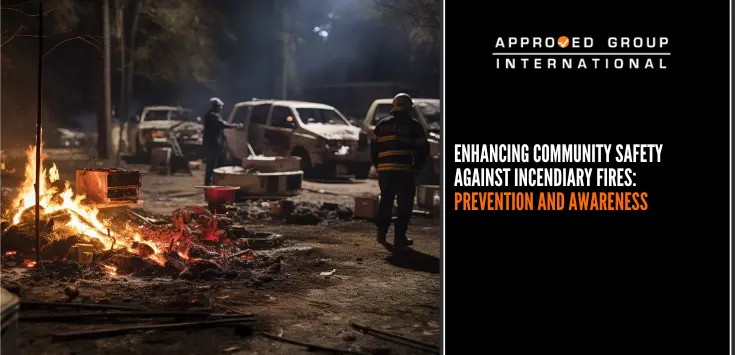
Incendiary fires, those deliberately set to cause damage or harm, pose a significant threat to community safety. Not only can they result in the loss of property and lives, but they can also create widespread fear and disruption. Preventing these fires requires a community-centric approach focused on education, vigilance, and the implementation of effective safety measures. This article explores practical steps communities can take to prevent arson and enhance their resilience against such destructive acts.
The Importance of Community Education
Education is a cornerstone of arson prevention. By raising awareness about the risks associated with incendiary fires and the ways to prevent them, communities can significantly reduce their occurrence. Educational programs should target all age groups, ensuring that everyone from schoolchildren to the elderly understands the dangers and the steps they can take to protect themselves and their property.

Educational Strategies:
Reporting Suspicious Activities
Deliberate fire setting is a premeditated act, and those planning it may exhibit suspicious behaviors or conduct overt preparations. Training community members to recognize and report these activities to authorities can be crucial in preventing deliberate fire attacks.

Signs to Watch For:
Be wary of anyone stockpiling gasoline, fireworks, or other flammable materials without a clear purpose.
Individuals repeatedly visiting potential target sites, especially at unusual times, may be planning something illicit.
An unusual fascination with fires, especially recent local incidents, can sometimes indicate a deeper interest or involvement in deliberately starting fires.
Installing Surveillance and Security Measures
Enhancing the security infrastructure within communities can deter potential arsonists and aid in the quick resolution of incidents that do occur.
Effective Security Measures:

Interactive and Engaging Fire Safety Content
To keep the community engaged and informed about fire safety, interactive content such as quizzes and video tutorials can be extremely effective. These tools not only educate but also keep fire safety at the forefront of community consciousness.
Examples of Interactive Content:
Community Partnerships and Support Systems
Building partnerships between fire departments, law enforcement, local businesses, and community organizations can create a supportive network that enhances overall safety.
Building Strong Networks:
Conclusion
Enhancing community safety against incendiary fires involves a multifaceted approach focused on education, vigilance, and cooperation. By implementing robust educational programs, encouraging the reporting of suspicious activities, installing effective security measures, and engaging the community through interactive content, the risk of unexplained fires can be significantly mitigated. Together, these strategies can foster a safer, more aware, and more cohesive community, ready to protect itself against the threat of incendiary fires.