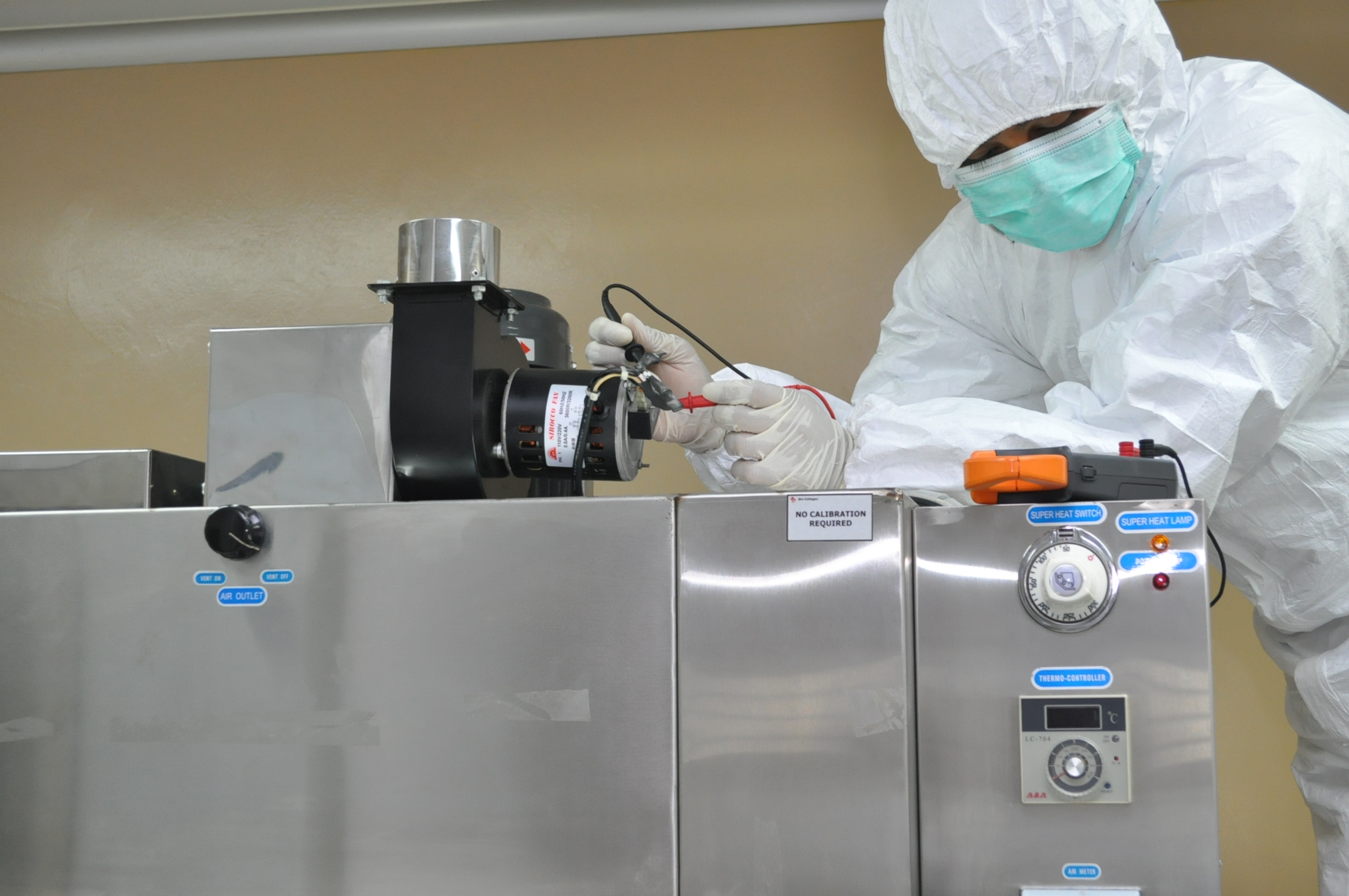
Common questions about plant and machinery assessment investigations.
1. How much does a plant and machinery assessment cost?
Costs vary depending on the complexity of the incident, scale of machinery involved, geographic location, and urgency of deployment. High-value industrial losses requiring multidisciplinary investigation, laboratory testing, and modelling will command higher fees compared to straightforward assessments. For insurers and corporates, the cost should be evaluated against potential claim exposure—engaging early often reduces overall financial risk. A structured quotation is typically provided after initial case review, ensuring transparency and alignment with scope requirements.
2. How quickly can your team be deployed?
Deployment timelines depend on location and case urgency, but rapid mobilization across ASEAN and the Middle East is a core capability. In critical incidents, initial response can typically be arranged within 24–48 hours. Early engagement is strongly recommended to preserve evidence integrity and minimize secondary loss exposure. Remote preliminary assessment can also be conducted while mobilization is underway.
3. Can you handle cross-border investigations?
Yes. Cross-border capability is integral to our service, particularly for multinational insurers and corporations. We are experienced in handling multi-jurisdictional claims, coordinating with local authorities, and aligning with regional legal and regulatory frameworks. This ensures consistency in reporting and defensibility across different jurisdictions.
4. Are your reports suitable for court proceedings?
All reports are prepared with litigation in mind. They are structured to meet evidentiary standards, including clear causation analysis, documented methodology, and supporting data. Our experts are also prepared to provide testimony, participate in joint expert discussions, and withstand cross-examination.
5. What types of machinery failures can you assess?
We cover a wide spectrum, including turbines, compressors, generators, manufacturing equipment, heavy construction machinery, and automated systems. Assessments include mechanical, electrical, thermal, and operational failures, as well as damage resulting from external events such as fire or explosion.
6. How do you support insurance claims?
Our role is to establish causation, quantify damage, and provide defensible technical insight. This enables insurers to determine policy applicability, validate claims, and pursue subrogation where applicable. Our findings often form the technical backbone of claim decisions.
7. Do you provide emergency assessment services?
Yes. Emergency response is a critical component of our service. Immediate deployment helps preserve evidence, stabilize the situation, and initiate structured investigation processes. This is particularly important in high-value or safety-critical incidents.
8. Can you assist in dispute resolution?
We regularly support dispute resolution processes, including mediation, arbitration, and litigation. Our role is to provide independent, technically robust opinions that clarify complex engineering issues for legal stakeholders.
9. What industries do you specialize in?
Our expertise spans oil & gas, manufacturing, infrastructure, marine, power generation, and heavy machinery sectors. Each industry presents unique failure mechanisms, and our approach is tailored accordingly.
10. How do you ensure confidentiality?
All engagements are handled under strict confidentiality protocols. Sensitive data, operational details, and findings are managed securely, with controlled access and clear communication channels.